Floweringrhododendron and azalea shrubs, both from the genusRhododendron, have long been mainstays of the garden; many have leaves that stay green all year. Caring for these beauties isn’t difficult either—as long as you meet their needs. Learn more in our complete guide to growing.
About Rhododendrons & Azaleas
Azaleas are actually part of the rhododendron genus. This means all azaleas are technically rhododendrons, but not all rhododendrons are azaleas.
How to tell the difference?
Rhododendrons are generally larger flowering bushes, with some growing 20 feet wide. Azaleas are usually smaller, with some ground cover varieties only growing 1 to 2 feet tall.
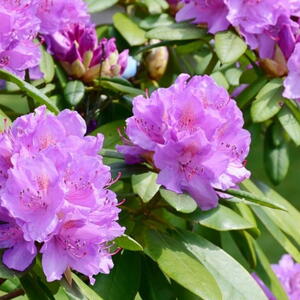
The rhododendron leaves are generally large and leathery; the flowers are often bell-shaped and grouped at the end of the stems with 10 stamens (the long structures that stick out of the center of the flower). Azalea leaves are usually pointed and narrow. The flowers tend to be more spread out on stems and more funnel-shaped. They also have less than five stamens.
Rhodys are fussier, preferring environments that are neither hot nor cold (Zones 5 to 8). They need a certain amount of chilling to develop strong flower buds. In the winter, protect rhododendrons from cold damage. (See more below.) Azaleas come in two groups: evergreen and deciduous (varieties that drop their leaves in the fall). Both can be found in nearly every part of North America, from the frosty Canadian plains to tropical Florida.
With thousands of varieties, there are rhododendrons and azaleas for just about every landscape situation. They come in many flower colors, including pink, red, white, yellow, and purple. Though most plants flower in the spring, there are also summer-blooming varieties that add color to the garden.
Explore tips for growing the best varieties of rhododendrons and azaleas.
Tips for Buying Plants
- When shopping for rhododendrons or azaleas, pay attention to when they flower. Early varieties can blossom in March; late ones into July or even the fall.
- Buy plants that are deep green (not yellowed), aren’t wilted, and have been well watered. Check the soil in the container with your finger and avoid plants that are bone dry.
- If your weather heats up to above 90°F in spring, avoid white-flowered azaleas. Their thin petals drop off in the heat.
- In hot climates, buy plants in 3-gallon pots rather than 1-gallon pots. Small plants, with their smaller root balls, struggle in the hot late spring and summer.
Planting
Most large-leafed varieties requiredappled shade; avoid deep shade or full sun. A sunny spot that receives a few hours of shade is perfect. See regional guidelines below.
Soil should be well-drained, humus-rich, moist, and acidic (pH 4.5–6).
Azaleas and rhododendrons have shallow root systems and need moist soil and mulch to keep them from drying out. Amend planting areas with compost, peat moss, or a substitute, only if your soil is poor. Learn more about soil amendments and preparing soil for planting.
→ Not sure which hardiness zone you’re in? See the USDA map.
Planting in Cold or Temperate Regions (Zones 3 to 6)
- Plant in full sun to increase flowers and avoid mildew problems. Shrubs need a minimum of 6 hours of full sun daily.
- Plant on the sheltered side of a windbreak. If subjected to cold, dry winds, their leaves and buds dry out and die, especially during winter winds.
Planting in Warm or Hot Regions (Zones 7 to 11)
- Plant in a site that receives afternoon shade, especially in hot areas. In tropical zones, azaleas will bloom in full shade.
How to Plant Rhododendron & Azaleas
- Plant in spring or early fall.
- Space plants 2 to 6 feet apart, depending on their estimated mature size. Dig a hole as deep as the root ball and about twice as wide.
- Set new plants so that their top roots are at soil level or slightly below. If you plant them any deeper, the roots and trunks may rot.
- Fill the hole half full with soil, then water it well to settle the soil before filling it with the remainder of the soil.

Rhododendrons are a welcome sight each spring!
Growing
How to Care for Rhododendron & Azaleas
- Mulch plants every spring with 2 to 5 inches of pine bark chips or pine needles to protect shallow roots and retain soil moisture. A lack of water reduces flower bud formation. Read more about using mulch.
- Tip:A common mistake is to create a so-called “mulch volcano,” where mulch is piled heavily around the trunk of the shrub. In fact, this can keep the trunk too wet and encourage rot. Always leave a few inches around the trunk free of mulch.
- See our guide to using mulch.
- Fertilize azaleas and rhododendrons sparingly and only when flower buds swell in the early spring, even if they are fall bloomers. Heavy applications of fertilizer will burn the plants’ roots.
- Water plants during the summer if rainfall is less than 1 inch per week.
- After flowering, deadhead where practical, to promote vegetative growth rather than seed production. Remove dead flowers from rhododendrons carefully; next year’s buds are just under the old heads and will start to develop shortly after flowering.
- Azaleas and rhododendrons may be transplanted at any time during the growing season, but they transplant most successfully during fall or early spring when they are dormant and temperatures are cool.
Winter Care for Rhododendrons
Rhododendrons are shallow-rooted plants; in cold regions, apply several inches of organic mulch around the base. In regions with severe winters, consider wrapping evergreen rhododendrons with burlap in the fall. Cold, dry winds will cause too much moisture evaporation from the leaves, which will wither and die. To help them recover from cold snaps, deeply water rhododendrons if there are warmer days. In the spring, prune out any dead or damaged branches and leaves.
Pruning Rhododendron & Azaleas
- In general, do not prune spring-flowering shrubs such as azaleas and rhododendrons. If you need to reduce height, prune after flowering in the spring.
- Otherwise, just remove dead, damaged, or diseased branches at any time of year.
- On young and old plants, simply snap off spent flower stalks by bending them over until they break away from their stems. Be careful not to damage growth buds at the base of each flower stalk.

This bud is a sure-fire sign that beautiful flowers are almost here!
Types
There are more than 900 species in the Rhododendrongenus, which vary greatly. It would take a whole book to understand this wide world!
You may be interested in joining the American Rhododendron Society, which runs a database with information on more than 2,000 rhododendrons and azaleas. On an annual basis, the society selects a number of rhododendrons to be awarded the Rhododendron of the Year designation, highlighting the best-performing plants for different regions.
Here is a handful of varieties that we think you’ll enjoy:
- ‘Blue Diamond’is a dwarf evergreen rhododendron that grows to 3 feet. It blooms mid-season with violet-blue flowers. Zones 7 to 9.
- ‘Cecile’is a vigorous azalea that grows to 7 feet and produces dark salmon-pink buds in mid-season. Zones 5 to 8.
- ‘Hydon Dawn’is a low-growing rhododendron that actually tolerates full sun. Pale pink flowers bloom in mid-season. Zones 7 to 9.
- ‘Nova Zembla’is an evergreen rhododendron that grows 5 to 10 feet tall and bears bright red flowers in late midseason. Zones 5 to 8.
- ‘Rosy Lights’is an azalea that offers extra cold hardiness. It grows to 6 feet and bears deep purple-pink flowers. Zones 3 to 8.
- ‘Purple Gem’is a dwarf rhododendron that grows to 2 feet and is an early-season bloomer. It bears small, light purple flowers. Excellent in front of a border or in a rock garden. Zones 5 to 8.
Harvesting
Cut branches once the buds have just opened. Change the water every few days and give the stems a fresh cut at the same time. Vase life is about 7 days.
Pests/Diseases
- Vine weevil
- Whiteflies
- Leafhoppers
- Lacebugs
- Scale insects
- Caterpillars
- Aphids
- Powdery mildew
- Bud blast
- Rust
- Leafy gall
- Petal blight
- If soil is not sufficiently acidic,root rotandlime-induced chlorosiscould occur.
Wit and Wisdom
The name “rhododendron” comes from the Greekrhodo,for “rose,” anddendron, meaning “tree.”
Rhododendrons are the state flower of Washington and West Virginia.
The glittering leaves of the rhododendrons
Balance and vibrate in the cool air;
While in the sky above them
White clouds chase each other.
–John Gould Fletcher